
K3 EDTA Blood Collection Tube – 2ml to 10ml Vacuum Tubes for Accurate Hematology Testing
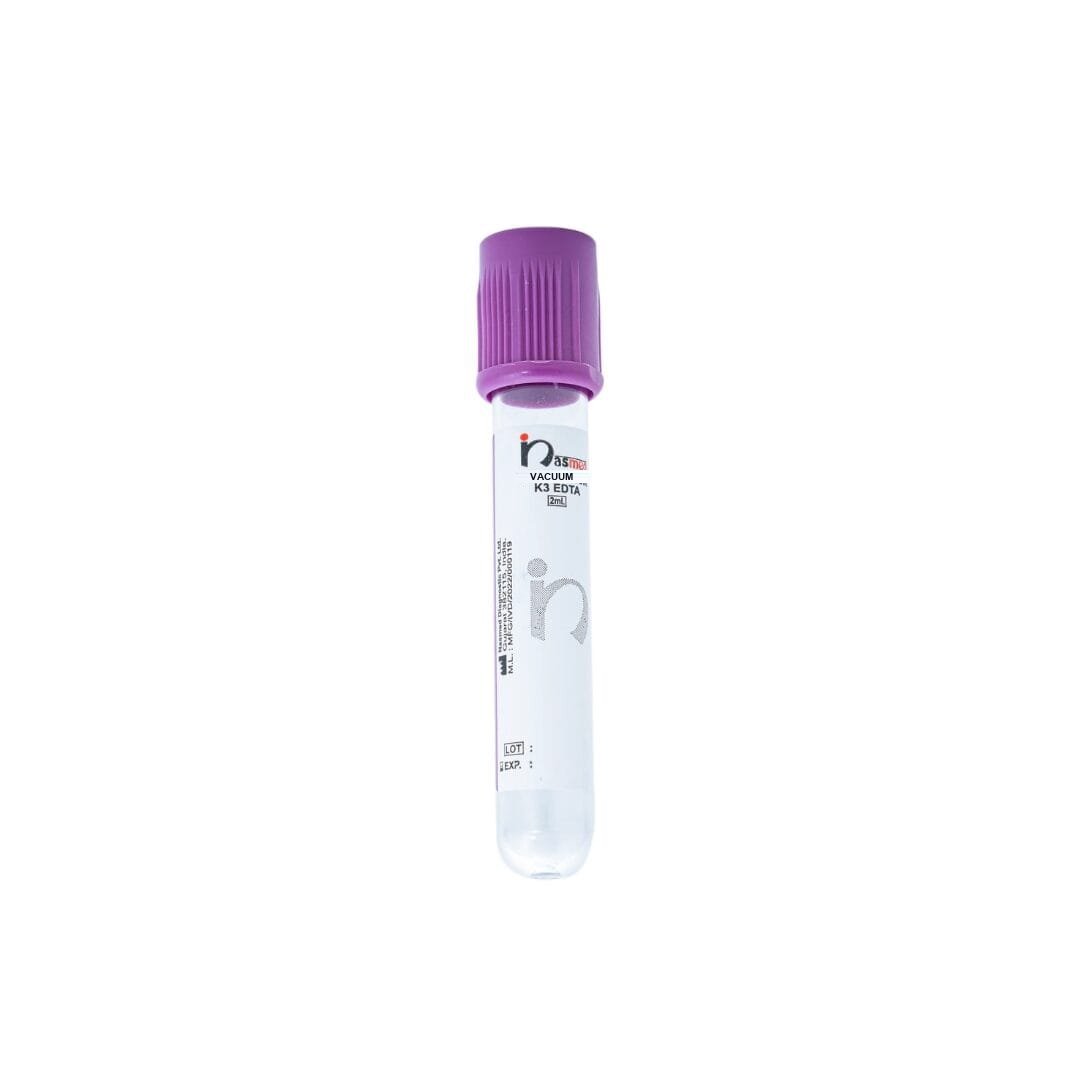
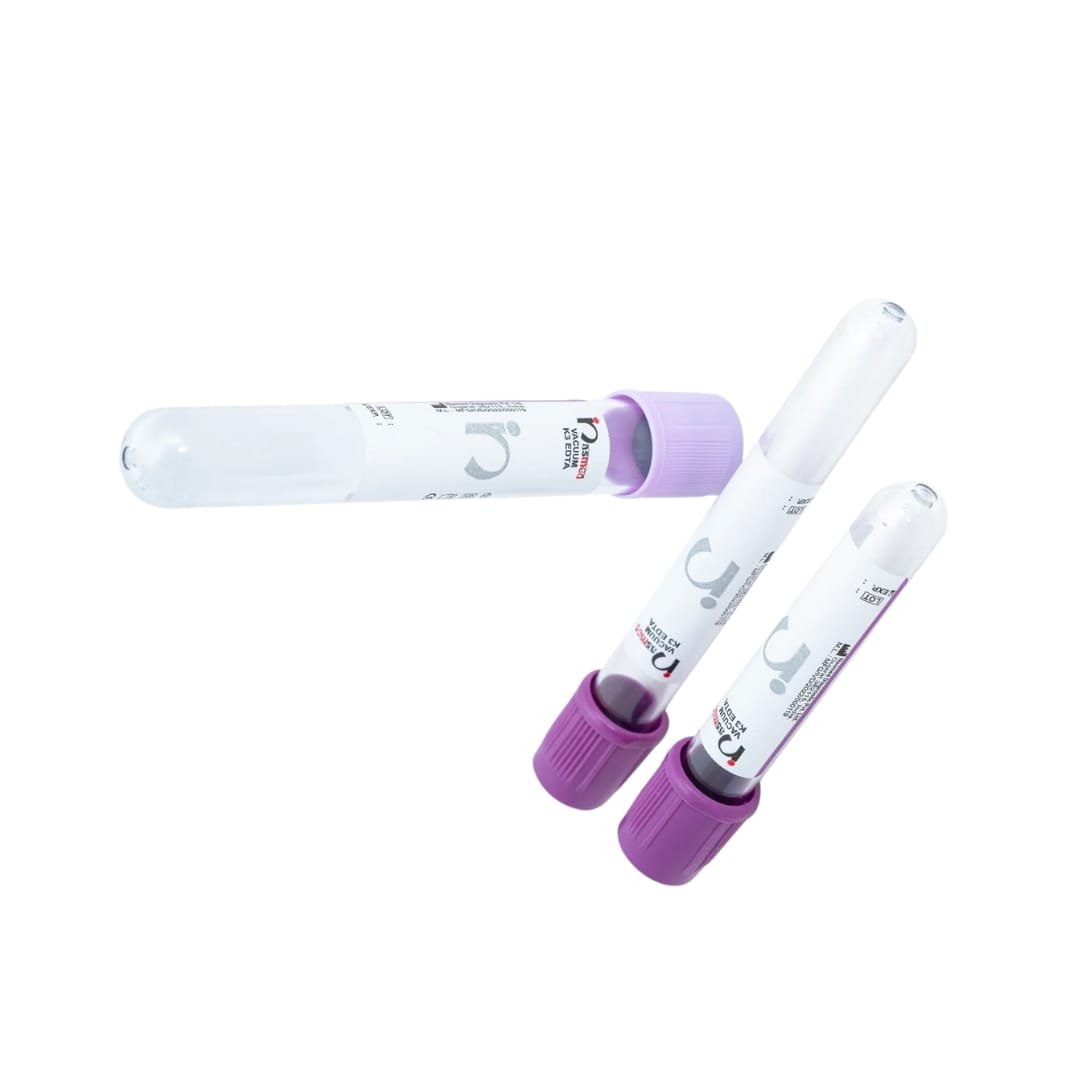
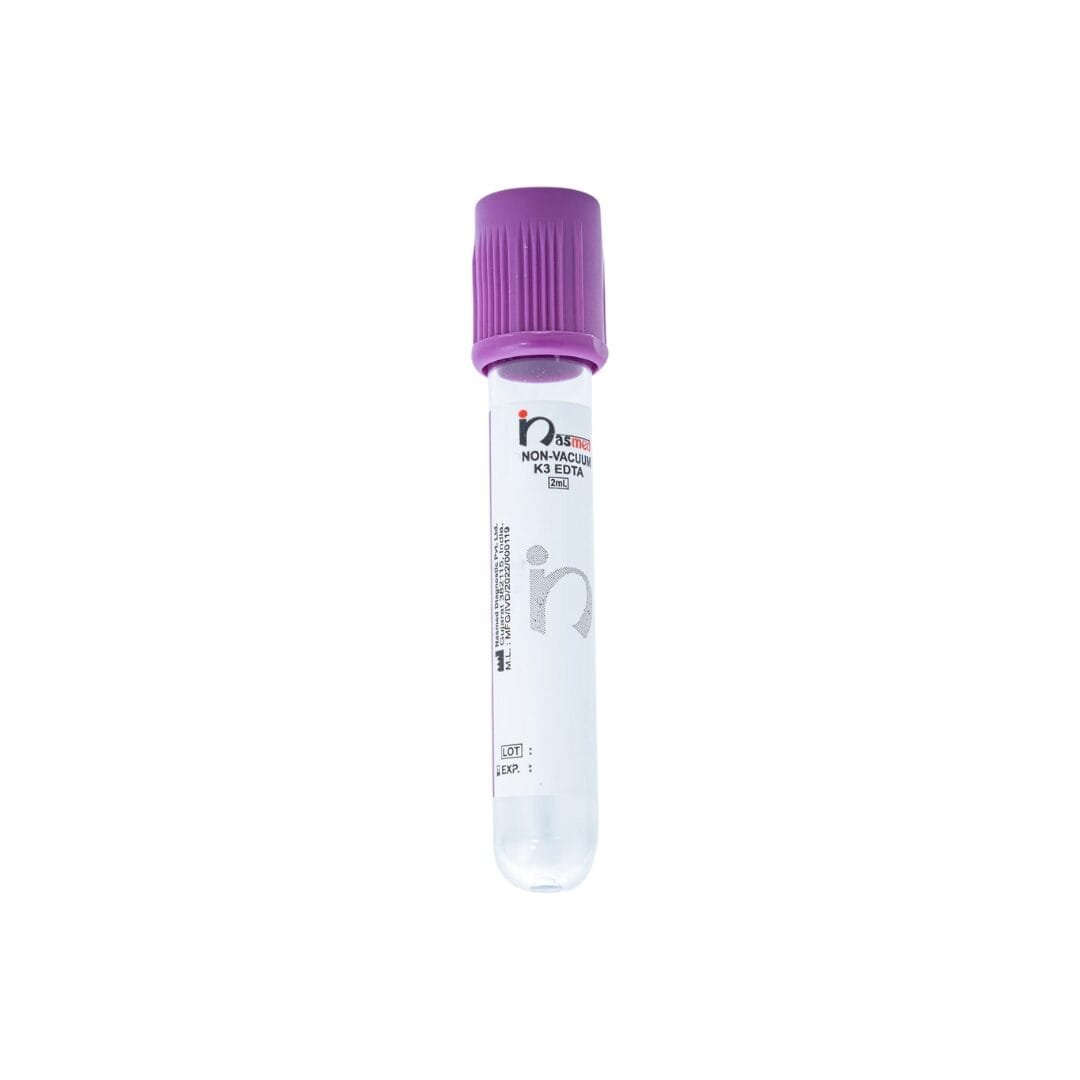
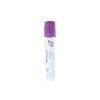
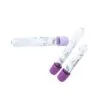
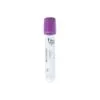
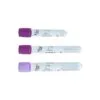
A K3 EDTA Blood Collection Tube is a lavender/purple-capped vacuum tube pre-filled with tripotassium EDTA (K3EDTA), an anticoagulant that binds calcium ions to stop blood from clotting. It is the standard tube used for CBC (Complete Blood Count), hematology, and blood grouping tests, and is manufactured by Nasmed Diagnostics under strict quality protocols for hospitals, diagnostic labs, and pathology centers across India.
What Is a K3 EDTA Blood Collection Tube?
A K3 EDTA tube is a sterile, vacuum-sealed blood collection tube coated internally with tripotassium ethylenediaminetetraacetic acid (K3EDTA). When blood enters the tube, the vacuum draws a pre-calibrated volume automatically, and the K3EDTA additive immediately binds with calcium ions present in the blood.
Since calcium is essential for the coagulation cascade, this chelation process prevents clot formation without damaging red blood cells, white blood cells, or platelets — making the sample ideal for microscopic and automated hematology analysis.
Nasmed’s K3 EDTA tubes are manufactured using medical-grade PET plastic, giving them better shatter resistance than glass tubes while maintaining sample integrity from collection to lab analysis.
Key Features of Nasmed K3 EDTA Blood Collection Tubes
| Feature | Benefit |
|---|---|
| Tripotassium EDTA (K3) additive | Prevents clotting by chelating calcium, preserving cell morphology |
| Vacuum draw technology | Automatic, pre-set blood volume with minimal hemolysis risk |
| Medical-grade PET construction | Shatter-resistant, safer to handle and transport than glass |
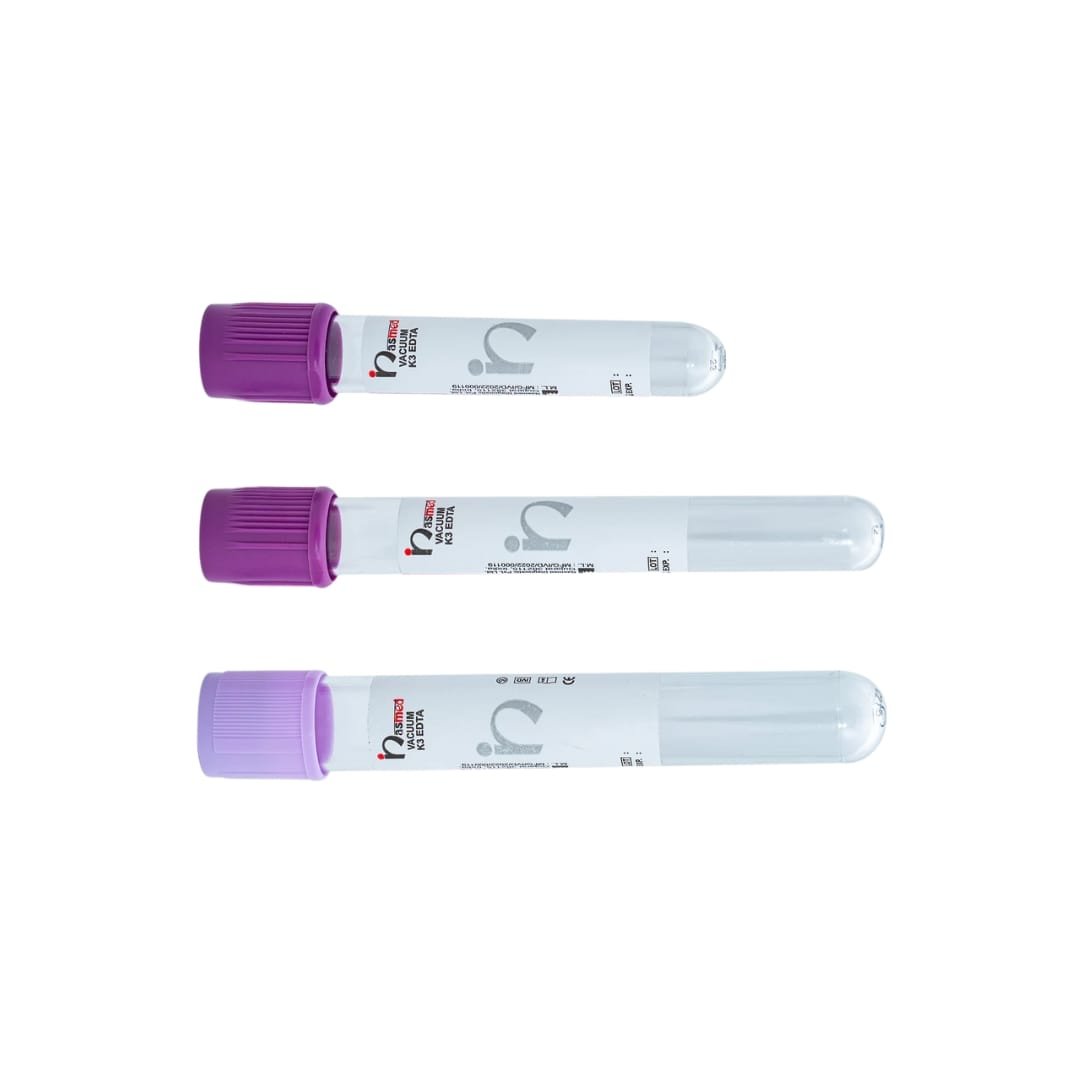
| Color-coded lavender cap | Quick visual identification, reduces workflow errors |
| Leak-proof secure closure | Prevents contamination and spillage during transit |
| Clear labeling area | Easy patient/sample identification and traceability |
| Sterile, single-use design | Reduces risk of cross-contamination |
How K3 EDTA Prevents Blood From Clotting?
- Blood is drawn into the tube via vacuum pressure.
- K3EDTA dissolves instantly and binds free calcium ions (Ca²⁺) in the plasma.
- Without available calcium, the coagulation cascade cannot proceed.
- Blood remains in a liquid, anticoagulated state — ideal for cell counting, smear preparation, and automated analyzers.
This mechanism is why K3 EDTA tubes are the globally preferred choice for hematology and complete blood count (CBC) testing over serum or heparin tubes.
Common Applications of K3 EDTA Tubes
- Complete Blood Count (CBC) and hemogram testing
- Erythrocyte Sedimentation Rate (ESR)
- Blood grouping and cross-matching
- HbA1c (glycated hemoglobin) testing
- Peripheral blood smear examination
- Reticulocyte counts
- Molecular diagnostics and PCR-based testing (whole blood)
K3 EDTA vs Other Blood Collection Tubes — Comparison Table
| Parameter | K3 EDTA Tube | K2 EDTA Tube | Sodium Citrate 3.2% Tube | Lithium Heparin Tube |
|---|---|---|---|---|
| Cap Color | Lavender/Purple | Lavender/Purple (pale) | Light Blue | Green |
| Additive | Tripotassium EDTA (liquid) | Dipotassium EDTA (spray-dried) | Buffered sodium citrate (liquid) | Lithium heparin |
| Primary Use | CBC, hematology | CBC (preferred by ICSH for minimal dilution) | Coagulation tests (PT, APTT) | Plasma chemistry, electrolytes |
| Mechanism | Calcium chelation | Calcium chelation | Calcium chelation (reversible) | Thrombin inhibition |
| Sample Type | Whole blood | Whole blood | Plasma (citrated) | Plasma |
| Best For | Routine hematology labs | Automated hematology analyzers | Clotting/PT-INR studies | STAT chemistry panels |
Not sure which tube fits your test panel? Browse our complete range of blood collection tubes or contact our team for guidance.
Technical Specifications
| Specification | Details |
|---|---|
| Additive | K3EDTA (tripotassium salt) |
| Material | Medical-grade PET plastic |
| Cap Type | Color-coded, secure vacuum seal |
| Draw Technology | Vacuum-based |
| Available Volumes | 2ml, 3ml, 5ml, 10ml (verify current pack options on the product page) |
| Sterility | Sterile, single-use |
| Storage | Store in a cool, dry place away from direct sunlight |
| Shelf Life | Refer to batch expiry printed on pack |
Why Choose Nasmed Diagnostics for K3 EDTA Tubes?
- Manufacturing expertise: Nasmed Diagnostics specializes in in-vitro diagnostic consumables designed for Indian hospital, pathology, and diagnostic lab workflows. Explore our full manufacturing range at nasmed diagnostic.
- Consistent quality control: Every batch is checked for vacuum accuracy, additive concentration, and seal integrity before dispatch.
- Wide product ecosystem: From EDTA to citrate and heparin tubes, Nasmed offers a complete blood collection portfolio — see our full product catalog.
- Reliable support: Our team assists labs and hospitals with bulk ordering, product selection, and technical queries — get in touch here.
As per the Medical Devices Rules, 2017, blood collection tubes with or without anticoagulant fall under the regulatory purview of India’s national medical device authority. You can review the applicable regulatory framework directly on the Central Drugs Standard Control Organization (CDSCO) website, Ministry of Health & Family Welfare, Government of India.
Best Practices When Using K3 EDTA Tubes
- Follow the correct order of draw to avoid additive carryover between tubes.
- Fill to the marked line — under-filling changes the blood-to-anticoagulant ratio and can distort CBC results.
- Invert gently 8–10 times immediately after draw; do not shake vigorously (this can cause hemolysis).
- Label immediately with patient ID to avoid sample mix-ups.
- Process within recommended time (typically within a few hours) for the most accurate hematology results.
Frequently Asked Questions
1. What is the K3 EDTA tube used for?
- K3 EDTA tubes are primarily used for Complete Blood Count (CBC), hemogram, ESR, blood grouping, and other routine hematology tests where whole blood needs to remain in a liquid, non-clotted state.
2. What color cap does a K3 EDTA tube have?
- K3 EDTA tubes have a lavender or purple cap, which is the internationally recognized color code for EDTA-based anticoagulant tubes.
3. What is the difference between K2 EDTA and K3 EDTA tubes?
- K2 EDTA uses a spray-dried additive and is generally recommended by international hematology standards (ICSH) for minimal sample dilution, while K3 EDTA uses a liquid additive. Both prevent clotting via calcium chelation, but K3 EDTA can cause marginally more dilution, which labs account for during analysis. Compare both on our K2 EDTA tube page.
4. Can K3 EDTA tubes be used for coagulation tests like PT or APTT?
- No. Coagulation studies require a sodium citrate 3.2% tube, since EDTA irreversibly removes calcium, which would invalidate clotting-time results.
5. How long can a blood sample stay in a K3 EDTA tube before testing?
- Most hematology analyzers recommend processing within a few hours of collection for the most accurate cell counts, though minor parameters remain stable for up to 24 hours if refrigerated. Always follow your lab’s SOP and the tube’s technical insert.
6. Are Nasmed K3 EDTA tubes suitable for automated hematology analyzers?
- Yes. Nasmed K3 EDTA tubes are designed to be compatible with standard automated hematology analyzers used in hospitals and diagnostic labs across India.
7. Where can I buy K3 EDTA blood collection tubes in bulk for my lab?
- You can order directly through this product page or view our complete range at our-products. For bulk pricing and institutional orders, contact our team.