Nasmed Diagnostics: Why Choosing the Right Urine Container Impacts Test Accuracy
Why Urine Containers Matter in Testing. Modern diagnostics and pathology testing have evolved dramatically over the past two decades. Automation, centralized laboratory networks, and digital reporting have raised expectations for speed, reliability, and consistency across healthcare systems. In daily diagnostic lab operations, accuracy begins much earlier than the analyzer—it starts at the point of sample collection.
Facilities like hospitals and testing centres in India, the US, and the UK operate under distinct health systems, yet share fundamental objectives: patient well-being, dependable test outcomes, and streamlined processes. Whether in a bustling outpatient collection point or a major hospital lab, the calibre of supplies directly impacts results.
Specimen Collection Tubes are a vital link in this diagnostic chain. Similarly, collection vessels for urine from Nasmed Diagnostics are equally significant for both routine and specialised analyses. When containers and tubes are engineered to align with actual lab procedures, they enable precise testing and help minimise avoidable errors before analysis begins.
Evolving Requirements of Contemporary Testing & Healthcare Labs
Today’s diagnostic labs face challenges unseen a decade prior:
- Increasing daily test volumes across health networks
- Quicker result turnaround times are expected by clinicians
- Adherence to international quality benchmarks
- Export and compliance demands when labs facilitate cross-border studies or referrals
Within hospital and pathology settings, these pressures mandate stricter oversight of sample quality, records, and supply dependability. Seasoned lab personnel recognise that even minor deviations in collection devices can hike rejection rates or retard reporting. As diagnostic networks expand across areas like Europe and the Middle East, standardising supplies becomes a practical imperative rather than an option.
What Constitutes a Specimen Container for Urine?
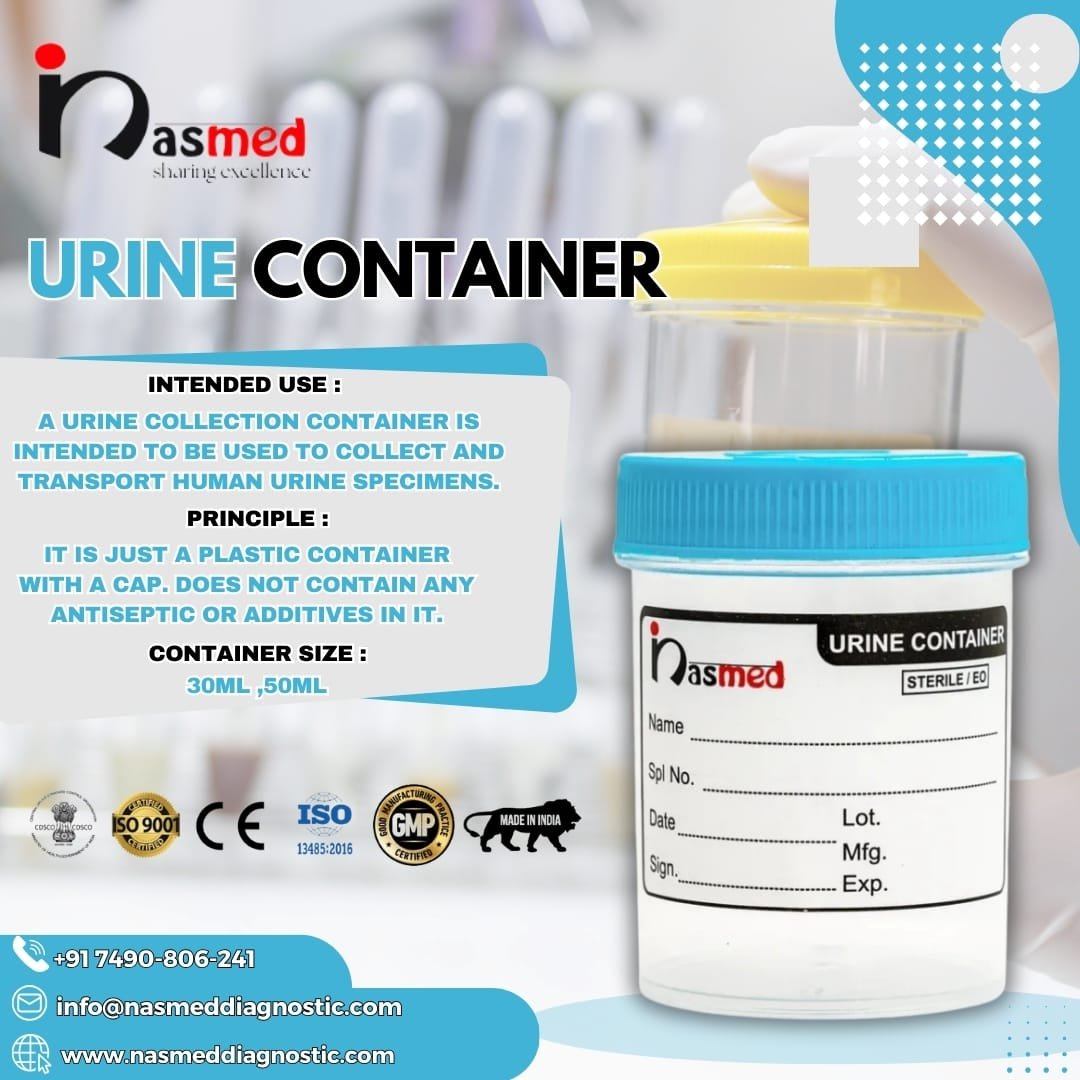
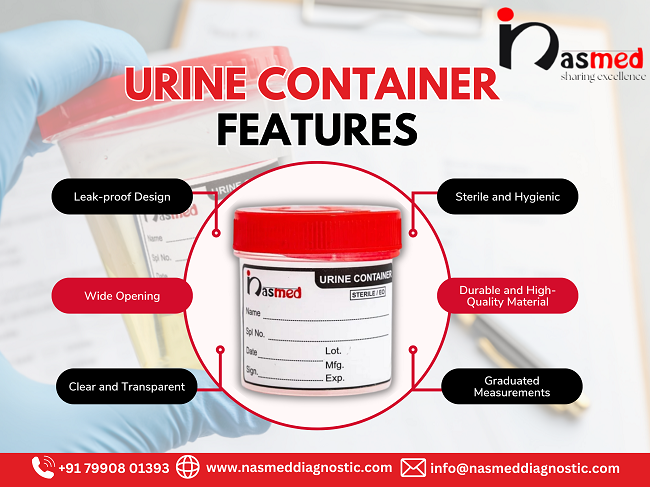
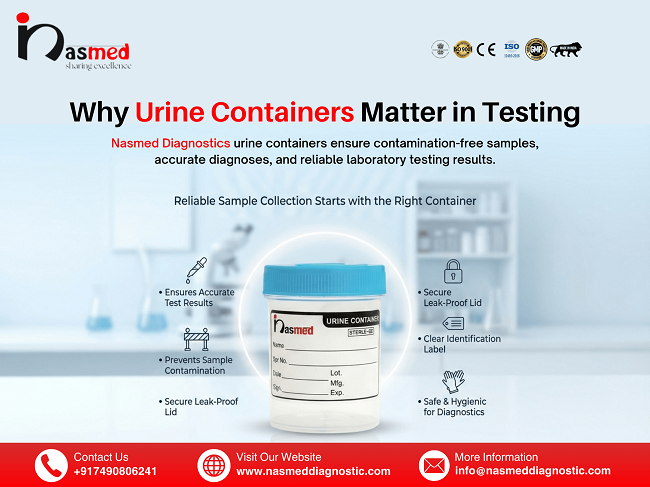
A Urine Container is a straightforward, dedicated diagnostic vessel utilised to gather, preserve, and move urine samples for lab evaluation. In actual lab operations, these vessels are handled by patients, nursing staff, and specimen collectors before reaching the lab bench.
Beyond abstract definitions, the practical merit lies in the container’s performance under typical circumstances:
- Does it maintain a seal during transit?
- Is it easy for patients to use appropriately?
- Can lab personnel handle it safely and consistently?
In day-to-day lab functions, a dependable container supports smooth registration, labelling, and analysis without introducing unwarranted variation.
Why Are Blood Specimen Tubes Essential for Accurate Blood Sample Collection?
While urine containers support urinalysis and related analyses, Blood Collection Tubes are paramount for diagnostics reliant on blood. Their function in preserving sample integrity is well-established in pathology labs.
Key elements involve:
- Maintaining the sample’s original characteristics
- Preventing contamination during drawing and handling
- Ensuring consistency across repeated tests and diverse analysers
For diagnostics intended for export, uniformity gains even greater importance. Labs coordinating with international counterparts or participating in external quality assurance programs must demonstrate control over pre-analytical variables. Reliable tubes lessen the need for repeat draws and confirm that test results are comparable across different locations.
Impact of Blood Specimen Tubes on Dependable Test Outcomes
Subpar or inconsistent tubes can directly compromise laboratory performance:
- Test precision: Incompatible coatings or improper tube materials may interfere with certain assays.
- Repeat testing rates: Low sample quality boosts the need for recollects, delaying clinical decisions.
- Patient confidence: Repeated sampling erodes trust in laboratory services.
In hospital and pathology settings, real-world issues are common. A sample ruined by hemolysis due to improper handling or an incompatible tube often results in test rejection. Over time, such issues impact operational efficiency and professional relationships.
Considerations for Safety, Asepsis & Patient Support
Safety and sterility are fundamental to diagnostic supplies. Both urine containers and blood collection tubes must be designed for secure management:
- Sterilisation methods reduce contamination risks
- Leak-resistant designs shield personnel during transport and centrifugation
- Ergonomic features support safe handling by specimen collectors
In busy outpatient collection zones, minor design features—secure caps, clear labelling regions—contribute to safer practices. These elements support patient care without making medical claims beyond their intended function.
Compatibility with Modern Testing Apparatus
Modern labs depend on automated analysers, centrifuges, and sample transport systems. Supplies must interface properly with these systems to avoid manual workarounds.
In global lab environments spanning regions like Southeast Asia and the Middle East, standardised tube dimensions and container forms facilitate:
- Automatic loading into analysers
- Efficient spinning without tube distortion
- Secure placement in transport racks
Compatibility cuts down handling duration and minimises the chance of pre-analytical mistakes.
Manufacturing Quality, Additives & Tube Uniformity
Manufacturing consistency is not an abstract notion; it directly influences daily lab performance. Fluctuations in tube wall thickness, cap fit, or additive concentration can introduce discrepancies.
Common substances added to blood collection tubes include:
- EDTA for blood counts
- Gel dividers for plasma/serum separation
- Heparin for specific chemistry tests
- Fluoride for glucose stabilization
These additives must be maintained within specified tolerances. In routine lab functions, uniform manufacturing lessens variability and supports reliable internal quality checks.
Storage, Shelf Life & Shipping Concerns
Storage and logistics are often neglected until issues emerge. In climates like India’s, variations in temperature and moisture can degrade packaging stability over time. For overseas transport to areas including the Gulf and parts of Africa, extensive logistics add further strain.
Key points to consider include:
- Stable viability under advised storage conditions
- Packaging that preserves sterility during transit
- Clear marking for stock rotation in high-volume labs
These aspects support an uninterrupted supply and reduce waste from expired or compromised items.
Cost Effectiveness for Labs & Healthcare Providers
Fiscal prudence in diagnostics stems from dependability, not just initial low cost. Consistent supplies contribute to:
- Lower sample rejection rates
- Fewer necessary re-runs and re-collections
- Stable operational budgeting for labs and hospitals
In hospital and pathology settings, these efficiencies translate to better resource utilisation and more predictable schedules. Over time, this supports lasting lab operations without sacrificing quality.
Adherence, Benchmarks & Export Readiness
Labs and distributors engaged in international supply streams face audits and buyer assessments. Supplies must conform to widely recognised standards and quality benchmarks.
Readiness for export involves:
- Documented production protocols
- Traceability of components and batches
- Consistent quality across shipments
These expectations are typical among hospital purchasing departments in territories like Europe and North America. Meeting them fosters enduring collaborations without providing legal or regulatory counsel.
Integration into Hospital & Lab Operations
In daily lab processes, supplies ought to blend seamlessly into existing procedures:
- Outpatient collection desks require easy-to-use containers and tubes
- Hospital labs need compatibility with automated machinery
- Diagnostic networks rely on uniform formats across branches
When supplies fit naturally into these processes, staff training is simpler and operational variation decreases.
Training, Handling & Disposal Methods
Even expertly designed supplies require correct handling. Practical instruction supports:
- Accurate sample collection methods
- Safe management during processing
- Appropriate disposal following bio-medical waste guidelines
In hospital and pathology settings, clear protocols lessen occupational hazards and help comply with internal safety rules.
Why Selecting the Right Producer Matters?
Choosing a supplier involves more than product availability. It reflects:
- Manufacturing competence and process oversight
- Grasp of export logistics and necessary paperwork
- Dedication to consistent supply quality
For IVD resellers and healthcare supply chain staff serving regions like the Middle East, Africa, and parts of Southeast Asia, a dependable manufacturing ally supports continuous care and operational foresight.
About Nasmed Diagnostic Pvt Ltd
Nasmed Diagnostic Pvt Ltd fabricates diagnostic supplies catering to the Indian and worldwide testing markets. The firm partners with labs, hospitals, and distributors to support routine and specialised testing demands. Details on its production methods and product selection are located at https://www.nasmeddiagnostic.com/.
In hospital and pathology environments, collaborations with manufacturers who grasp operational realities lead to more predictable supply lines and uniform consumable performance.
Summary:
Dependable diagnostics originate from dependable supplies. Blood Collection Tubes and Urine Containers bolster sample integrity, staff safety, and procedural smoothness across hospital and lab environments. In day-to-day lab functions, these items subtly influence test accuracy and the patient experience.
For laboratories, healthcare facilities, and distributors serving both local and global arenas, selecting supplies engineered for real-world utilisation supports consistent outcomes and sustained operational steadiness. Careful selection and responsible production methods remain central to trustworthy diagnostics.
Key Takeaways
- Testing Precision
- Sample Security & Cleanliness
- Process Streamlining
- Fiscal Management for Labs
- Rising Worldwide Demand
FAQS
1. How do Blood Collection Tubes affect test accuracy in routine diagnostics?
- Tube material and additives influence sample stability. Incompatible or inconsistent tubes can alter analyte concentrations, leading to unreliable results.
2. What are common pre-analytical mistakes with urine containers in labs?
- Improper labelling, overfilling, or using non-sterile containers can lead to sample rejection or repeat collection.
3. How should blood collection tubes be stored to maintain shelf life?
- They should be stored within recommended temperature ranges, away from direct sunlight, and rotated using first-expiry-first-out practices.
4. Are standard tubes compatible with automated analysers used internationally?
- Most modern tubes are designed for compatibility, but labs should validate consumables with their specific analyser models.
5. What should distributors consider when sourcing tubes for export markets?
- Consistency of manufacturing, documentation for buyer audits, and packaging suitable for long-distance logistics are key considerations.
#BloodCollectionTube #DiagnosticConsumables #PathologyLab #MedicalDiagnostics #NasmedDiagnostic #IVDProducts #HealthcareManufactufacturing #GlobalDiagnostics #SodiumFluorideBloodCollectionTubes