Top Reasons Hospitals Prefer Non-Vacuum Blood Collection Tubes Powered by Nasmed Diagnostics
In today’s fast-paced healthcare environment, Non-Vacuum Blood Collection Tubes for Hospitals are essential for ensuring safe, accurate, and controlled blood sample collection. Designed for situations where manual draw is preferred, these tubes offer flexibility and reliability in diverse clinical settings.
Hospitals, pathology labs, and testing facilities often opt for non-vacuum collection vessels in circumstances such as caring for children, dealing with delicate or collapsed veins, bedside sample gathering, and settings with limited built-in suction infrastructure. Their design enables medical personnel to personally manage the volume of blood obtained, lessening patient discomfort while preserving sample excellence.
Evolving Demands of Current Testing & Healthcare Facilities
Today’s diagnostic labs encounter a different set of pressures than those faced a decade ago:
- Increased test numbers: Expanding screening efforts and ongoing condition monitoring necessitate more daily collections.
- Quicker result turnaround: Clinicians depend on prompt findings for making treatment choices.
- Worldwide quality benchmarks: Labs catering to medical tourism, collaborative research, or export-linked programs must adhere to global standards.
- Regulatory and purchaser assessments: Procurement departments and international resellers expect documentation, uniformity, and traceability.
Seasoned lab specialists recognise that errors before analysis—especially during blood drawing—remain a primary reason for sample rejection globally. In environments with varied resources, from major hospitals in India to private testing networks across parts of Europe and the Middle East, selecting the correct supplies becomes a pragmatic move for risk mitigation.
What Are Non-Vacuum Blood Collection Vessels?
Non-vacuum containers are engineered for manual blood collection, where the drawer regulates the draw amount using a syringe or transfer instrument before placing it in the tube. Unlike sealed systems, these containers do not depend on internal negative pressure to pull blood automatically.
In everyday procedures, they are frequently employed when:
- Veins are delicate or hard to access
- Small specimen amounts are needed
- Bedside drawers demand versatility
- Pediatric or elderly patients require gentler care
Within hospital and pathology lab settings, these vessels provide tangible control. The phlebotomist can modulate flow, minimise vein collapse, and carefully transfer blood, thus lowering the chance of rupture if proper technique is used.
Why Are Non-Vacuum Blood Collection Vessels Vital for Accurate Specimen Gathering?
Precise findings begin with sample integrity. Non-vacuum vessels support this by permitting controlled infusion of blood into tubes containing specific agents.
Key practical advantages include:
- Maintaining sample quality: Regulated flow diminishes stress on blood cells.
- Reduced risk of contamination: When standard cleanliness is observed, manual transfer into sterile containers leads to cleaner samples.
- Uniformity for export-grade testing: Global partners and reference facilities anticipate predictable pre-analytical handling.
In day-to-day lab routines, minor enhancements at the collection stage result in fewer subsequent issues in testing and reporting.
The Part of Blood Collection Vessels in Dependable Test Results
Choosing the wrong vessel or improper handling can jeopardise test outcomes. Common situations observed in labs include:
- Issues with test precision: Using an incorrect additive can interfere with assays.
- Higher need for retesting: Ruptured or clotted samples necessitate drawing again.
- Diminished patient reliance: Repeated collections lower patient confidence and ease.
In hospital and pathology lab settings, consistent protocols for vessel use lessen variation across shifts and collection sites. This uniformity is particularly important for large testing networks operating across different areas.
Safety, Cleanliness & Patient Well-being Concerns
Safety in drawing blood is a shared duty among makers, healthcare facilities, and phlebotomists.
Important elements to bear in mind include:
- Sterilisation: Containers must be produced and packed to stay sterile until deployment.
- Spill-proof design: Secure tops prevent leaks during movement.
- Safe handling: An ergonomic configuration aids in a steadier grasp and management for phlebotomists.
These characteristics safeguard both patients and personnel without making medical promises. They are part of standard workplace safety and infection control procedures.
Compatibility with Modern Testing Gear
Labs increasingly rely on automated readers, standardised spinning protocols, and organised sample transit systems.
Non-vacuum vessels are generally made to work with:
- Automated analysers used in chemistry and blood science
- Spinning machines for serum or plasma segmentation
- Sample transit setups utilised in central lab networks
In worldwide lab settings—from hospital labs in Southeast Asia to reference labs supporting clinics in Canada—compatibility with existing apparatus lessens operational friction and the need for extensive instruction.
Manufacturing Excellence, Agents & Vessel Uniformity
Consistency in making products directly impacts lab results. Variations in vessel material, agent potency, or top quality can introduce inconsistency.
Frequent agents employed in blood collection vessels include:
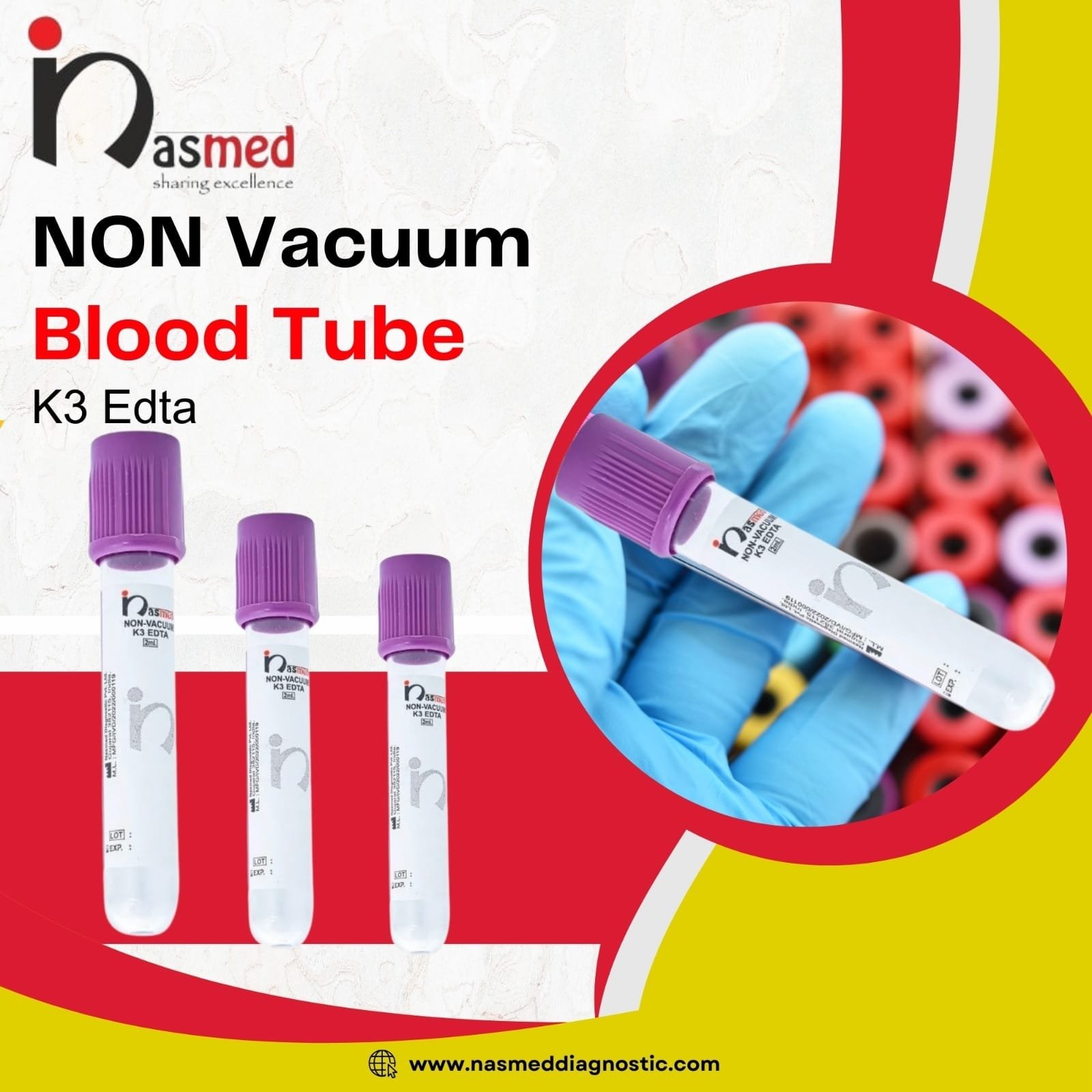
- EDTA: For blood cell counts and particular molecular analyses
- Gel dividers: For separating serum or plasma
- Heparin: For certain chemical tests
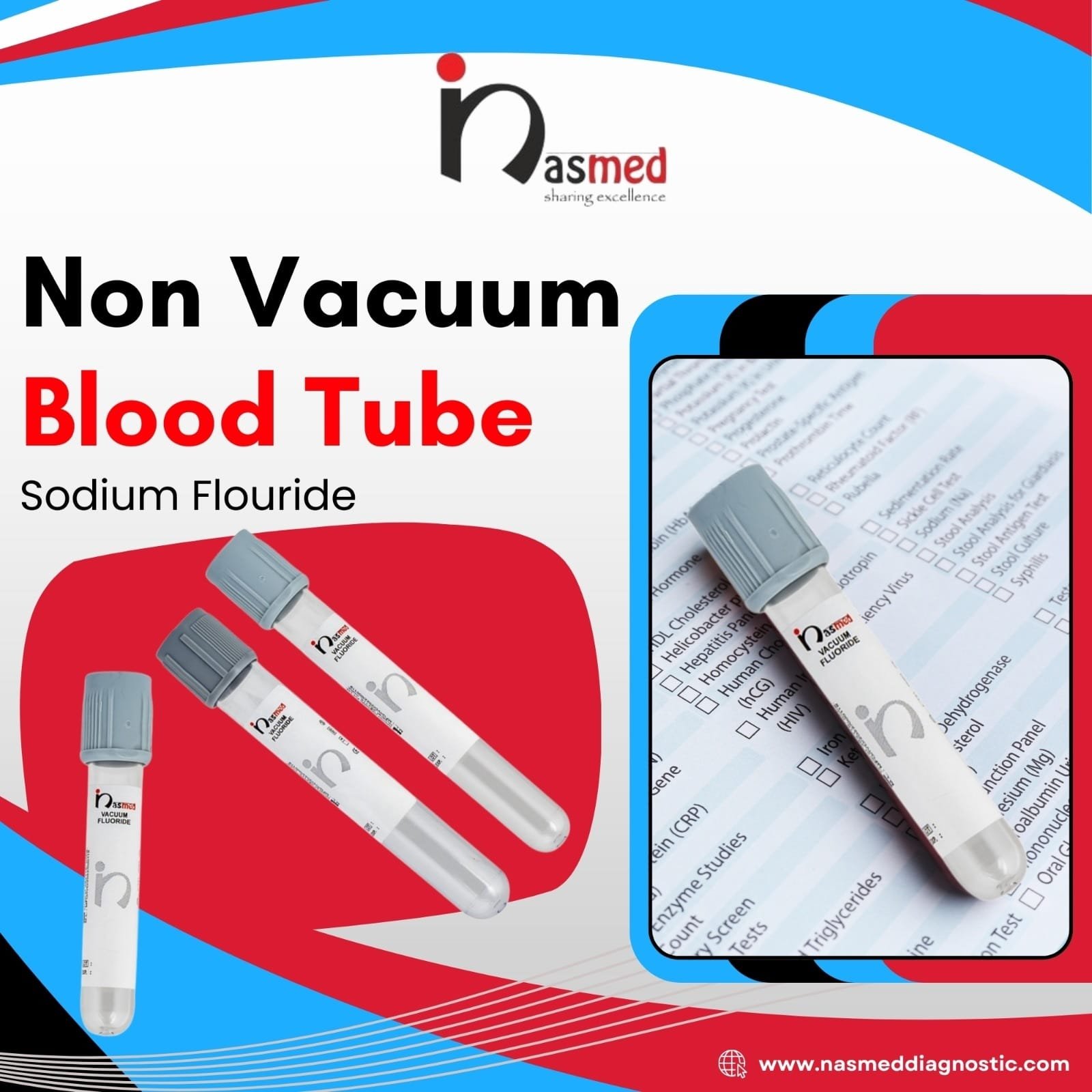
- Fluoride: For preserving sugar levels
Knowledgeable lab professionals realise that exactness of agents and even coating inside vessels are crucial for repeatable findings. Manufacturing quality checks confirm that every batch performs consistently throughout large-scale testing operations.
Storage, Usable Period & Shipping Concerns
Storing and moving supplies are often underestimated in their influence on consumable quality.
Key practical points:
- Indian climate: High heat and dampness demand robust packaging and defined storage environments.
- Export transport: Extended shipment to markets in Africa or Southeast Asia requires durable packaging and traceable usable periods.
- Usable period management: Labs require predictable expiration cycles to prevent waste and shortages.
In daily testing lab functions, appropriate storage habits reduce material breakdown and sustain dependability.
Value Efficiency for Labs & Healthcare Providers
Cost effectiveness in diagnostics is less about the price per unit and more about sustained operational steadiness.
Dependable vessels contribute to:
- Fewer rejected samples
- Reduced need for retests and re-draws
- Stable workflow planning
For hospital supervisors and procurement personnel, these operational savings translate into better resource deployment without sacrificing quality.
Adherence, Benchmarks & Export Preparedness
Laboratories and distributors are increasingly involved in global supply chains. Expectations for compliance include:
- Worldwide acceptance: Consumables must meet broadly recognised quality levels.
- Purchaser reviews: Paperwork and traceability are part of routine acquisition checks.
- Hospital buying standards: Uniformity and supplier dependability are important.
For testing suppliers serving healthcare networks in areas like the UAE and parts of Europe, readiness for export reflects both manufacturing discipline and an understanding of regulatory expectations. This is not legal counsel, but an operational reality seen across various markets.
Incorporation into Hospital & Lab Procedures
Non-vacuum vessels fit into various collection spots:
- Outpatient collections: Adaptable for services for non-admitted patients
- Hospital wings: Suitable for draws at the bedside
- Testing networks: Standardised supplies across different sites
Clear instructions and a steady supply help labs maintain uniform methods across shifts and places.
Instruction, Handling & Waste Disposal Practices
Appropriate utilisation goes beyond the item itself.
Good methods involve:
- Simple training modules for phlebotomists and technicians
- Safe disposal aligning with the biomedical waste rules
- Awareness of sharp instruments and biohazard management
In hospital and pathology lab environments, these methods protect staff and maintain adherence to regulations.
Why Selecting the Appropriate Maker Counts?
The manufacturer’s choice affects long-term dependability.
Significant aspects include:
- Manufacturing expertise in testing supplies
- Quality assurance mechanisms that guarantee batch uniformity
- Comprehension of export logistics and paperwork
- Capacity to maintain a reliable supply
In worldwide testing supply chains, dependability lowers operational risk for both labs and distributors.
About Nasmed Diagnostic Pvt Ltd
Nasmed Diagnostic Pvt Ltd is a producer serving the testing and healthcare sectors in India and international territories. The firm emphasises consistent production methods, quality oversight, and understanding the procedural needs of laboratories and hospitals. Further details about their testing supplies and manufacturing approach can be found at 👉 https://www.nasmeddiagnostic.com/
Summary:
Blood collection vessels are a minor element with a major effect on diagnostic calibre. In day-to-day testing lab operations, the correct supplies support precise findings, safer workflows, and trustworthy patient care. For hospitals, testing chains, and distributors, choosing well-made blood collection vessels is a sensible investment in steadiness rather than merely a procurement step. Thoughtful assessment of quality, compatibility, and supply continuity supports superior outcomes across the entire testing pipeline.
Key Insights
- Testing Precision: Correct vessels support dependable test outcomes
- Specimen Safety & Sterility: Appropriate design lessens pre-analytical hazards
- Workflow Agility: Compatibility with the apparatus streamlines processing
- Cost Management for Labs: Fewer rejections and retests boost efficiency
- Rising Worldwide Demand: Reliable supplies support international testing efforts
FAQS
1. In routine practice, when do healthcare professionals prefer non-vacuum blood collection tubes?
- They are commonly used for pediatric patients, fragile veins, bedside collections, and situations requiring controlled manual draw.
2. Can incorrect tube selection affect blood sample accuracy?
- Yes. Using the wrong additive or compromised tubes can interfere with test results and increase re-test rates.
3. How should blood collection tubes be stored in warm climates?
- Store in controlled conditions as recommended by the manufacturer, away from direct heat and moisture, to preserve material integrity.
4. Are non-vacuum tubes compatible with automated analyzers?
- Most are designed to work with standard centrifuges and analyzers when used according to laboratory protocols.
5. What are common lab mistakes related to blood collection tubes?
- Using expired tubes, improper mixing after collection, and inconsistent storage conditions are frequent pre-analytical issues.
#BloodCollectionTube #DiagnosticConsumables #PathologyLab #MedicalDiagnostics #NasmedDiagnostic #IVDProducts #HealthcareManufactufacturing #GlobalDiagnostics #SodiumFluorideBloodCollectionTubes