
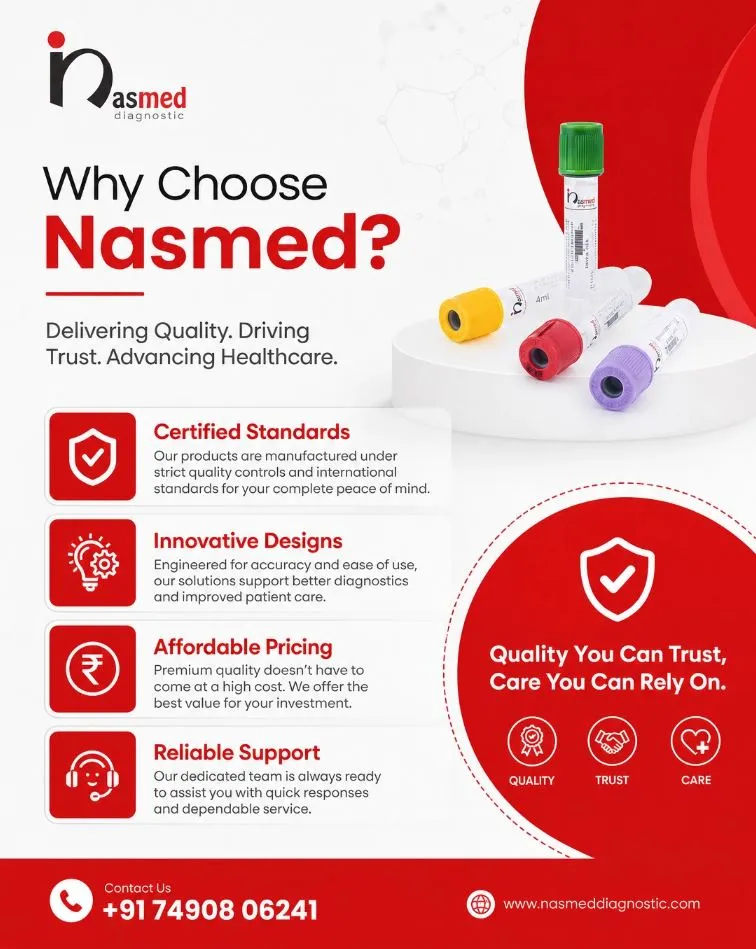
Reliable Diagnostic Solutions for Better Healthcare
Accurate diagnostics begin long before a sample reaches the analyser. They begin the moment a needle enters a vein and blood meets a collection tube. In a country where millions of diagnostic tests are processed every single day — from busy government hospitals in Delhi to private labs in Hyderabad and Bangalore — the quality of that tube quietly determines whether a result is reliable or not. Nasmed Diagnostics Pvt. Ltd., based in Gandhinagar, Gujarat, manufactures sterile blood collection tubes and diagnostic lab disposables under an ISO 7 clean room environment and full CDSCO certification, serving the growing need for contamination-free, accurate sample collection across Indian healthcare institutions.
Why Choose Nasmed Diagnostics for Reliable Diagnostic Solutions for Better Healthcare?
Here’s something most lab managers in Mumbai or Chennai already know from experience: not every tube that looks clean actually performs cleanly. Cross-contamination from substandard anticoagulant coatings, inconsistent vacuum levels, or poorly sealed caps can silently compromise results — and in a clinical setting, that has real consequences for patients.
Nasmed Diagnostics was built around solving exactly this problem. Under the leadership of Directors Kush Patel and Suril Shah, the manufacturing team operates within an ISO 7 clean room (Class 10,000), ensuring that every tube produced meets strict particulate and microbial standards before it leaves the facility. This isn’t a marketing claim — it’s a structural commitment baked into the manufacturing process itself.
The company holds full CDSCO certification, complying with India’s Central Drugs Standard Control Organisation guidelines for medical devices. Internationally, materials used in production follow recognized guidelines including those aligned with CLSI (Clinical and Laboratory Standards Institute) recommendations, which many procurement heads in Pune and Ahmedabad now ask for by name during vendor evaluations.
What sets the operation apart in practical terms is the combination of manufacturing scale and quality control depth. A small lab in Indore ordering a few thousand tubes and a large hospital chain in Kolkata requiring bulk custom-labelled supplies both go through the same rigorous quality check before dispatch.
For a free consultation on which tube types suit your specific testing protocols, you can reach out via the contact details at the end of this page — or
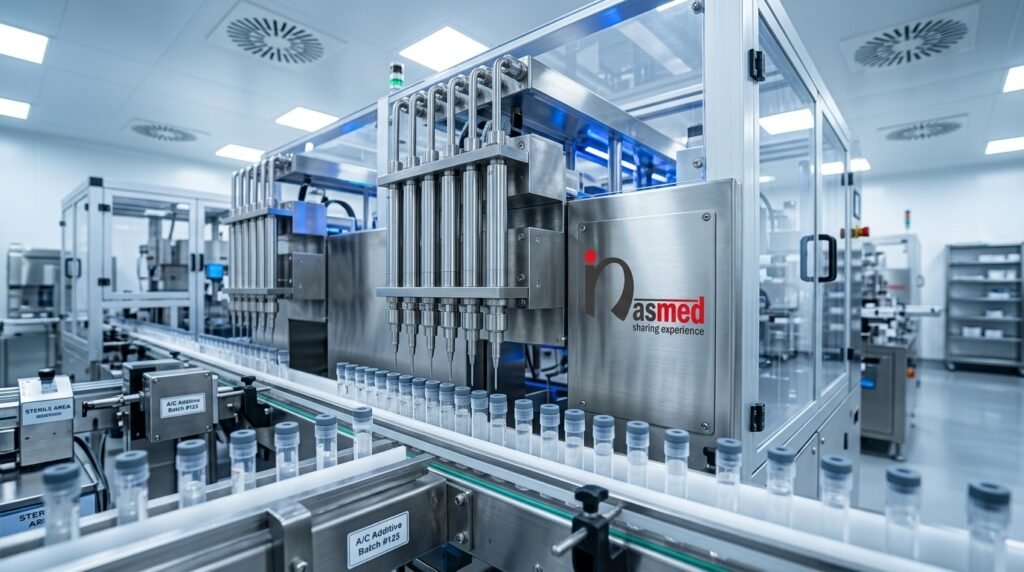
Our Reliable Diagnostic Solutions for Better Healthcare Manufacturing Capabilities
The product portfolio at Nasmed Diagnostics is designed to cover the full spectrum of sample collection needs encountered across Indian hospitals, clinics, and diagnostic labs. Here’s a practical breakdown:
Vacuum Blood Collection Tubes are the workhorse of modern phlebotomy. The precisely calibrated vacuum draw ensures that the correct blood volume is collected every time — a critical factor for tests where volume deviations affect results. The tubes are available in multiple additive types including EDTA, sodium citrate, sodium fluoride/potassium oxalate, and plain serum variants, covering haematology, coagulation, glucose, and biochemistry panels respectively.
Non-vacuum blood collection tubes remain relevant in settings where vacuum phlebotomy isn’t preferred — paediatric wards, home collection scenarios, or certain rural health setups across Jaipur and Chandigarh where equipment constraints exist. These are manufactured to the same sterility standards as vacuum variants.
Gel lithium heparin tubes deserve a special mention because of how widely they’re used in emergency and point-of-care biochemistry. The separator gel quality directly affects serum or plasma integrity during centrifugation, and inconsistent gel formulations have been a documented complaint across Indian labs when sourcing from unverified suppliers.
Micro paediatric tubes — also called micro collection tubes — are engineered for the specific volumes possible in paediatric blood draws. Working with children requires drawing less blood per test, and these tubes are calibrated accordingly.
Cell-free DNA tubes are the most specialised offering in the catalogue. Used in liquid biopsy applications and non-invasive prenatal testing (NIPT), these require a preservative formulation that stabilises circulating cell-free DNA at room temperature for extended periods. The specification here is exacting — this is not a tube category where standard manufacturing tolerances apply.
Beyond tubes, the company also manufactures urine containers and a range of other diagnostic lab disposables, offering labs a consolidated procurement option. For custom requirements — specific tube volumes, colour-coded caps, private labelling — the team can be reached directly.
Navigating Regulatory Compliance & CDSCO Certification
Regulatory compliance in India’s medical device space has changed significantly since the Medical Devices Rules, 2017 came into full force. Blood collection tubes now fall under the regulated medical device category, and manufacturers are required to hold valid CDSCO registration to legally supply these products to hospitals and diagnostic centres.
Many procurement teams — particularly in government hospital setups across Surat and Vadodara — have learned the hard way what happens when tubes from non-CDSCO-registered manufacturers are used. Supply disruptions during audits, product recalls, and liability questions during patient safety reviews are real risks that documented compliance prevents.
Nasmed Diagnostics holds CDSCO certification as a manufacturer, which means the registration covers not just the end product but the manufacturing process, quality management system, and post-market surveillance obligations. This distinction matters for procurement officers who need to attach regulatory documentation to purchase orders.
For labs exporting samples internationally or working with global reference labs, the ISO 7 clean room certification provides an added layer of internationally recognised quality assurance. More information on CDSCO device regulations is available directly at the official CDSCO portal.
A mini client success story worth sharing: a mid-sized diagnostic chain operating across Bangalore and Hyderabad switched to Nasmed’s EDTA and lithium heparin tubes after their previous supplier failed a CDSCO audit mid-contract. Within two weeks of onboarding, their in-house quality team verified label accuracy, seal integrity, and additive consistency — and the procurement head noted that they had “no rejection incidents” in the three months post-switch. This is a common outcome when regulatory-compliant manufacturing meets consistent quality control.
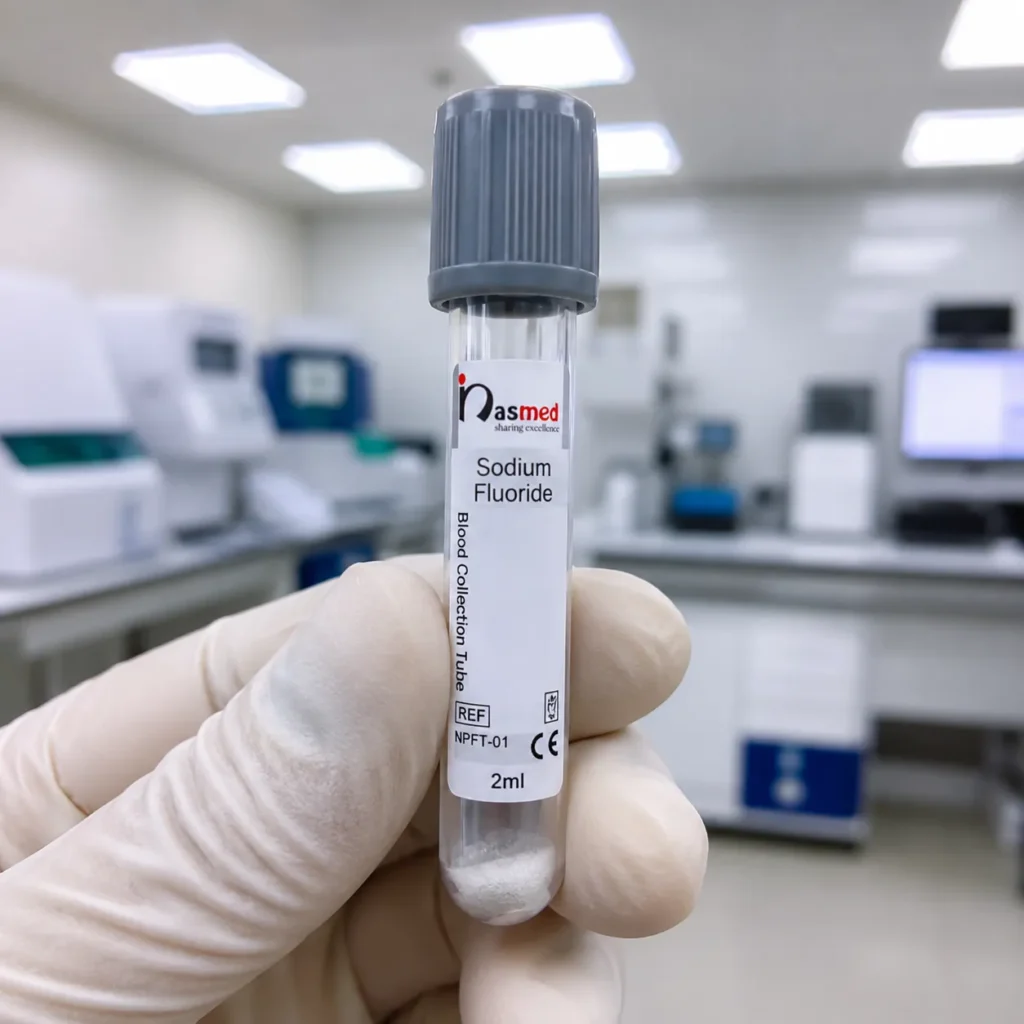
Local Suppliers vs Nasmed Diagnostics: A Practical Comparison
When sourcing diagnostic lab disposables, procurement teams in cities like Delhi, Mumbai, and Chennai often face a choice between local unbranded suppliers and certified manufacturers. Here’s an honest look at how the two typically compare:
| Parameter | Typical Local/Unbranded Supplier | Nasmed Diagnostics Pvt. Ltd. |
|---|---|---|
| CDSCO Registration | Often absent or unverified | Fully CDSCO Certified Manufacturer |
| Manufacturing Environment | Standard or uncontrolled conditions | ISO 7 Clean Room (Class 10,000) |
| Additive Consistency | Variable batch-to-batch | Validated in-process quality checks |
| Product Range | Limited, usually standard tubes only | Vacuum, Non-Vacuum, Gel Heparin, Micro, cfDNA, Urine Containers |
| Custom Labelling / Volumes | Rarely available | Available on request |
| Regulatory Documentation for Procurement | Incomplete or unavailable | Full CDSCO docs, batch COAs provided |
| International Material Compliance | Typically absent | Aligned with CLSI & international guidelines |
| Post-Order Support | Inconsistent | Dedicated technical & procurement support |
For labs evaluating blood collection tubes manufacturers near me, this comparison provides a useful baseline for due diligence conversations with any supplier — not just Nasmed.
Step-by-Step Process – How We Deliver Reliable Diagnostic Solutions for Better Healthcare?
Understanding how an order moves from inquiry to delivery helps procurement teams plan better. Here’s how the process typically works at Nasmed Diagnostics:
Step 1 — Needs Assessment: A member of the technical team reviews your requirements — tube types, volumes, additive specifications, labelling preferences, and order quantities. For labs in Pune or Kolkata with specific panel requirements, this step is where custom configurations get documented.
Step 2 — Quotation & Documentation: A detailed quotation is shared along with relevant regulatory documentation — CDSCO registration certificate, ISO certification details, and batch-specific certificates of analysis on request. This package is typically what procurement teams need to get vendor approvals cleared internally. Labs interested in a cost breakdown can also Download Blood Collection Tubes Cost Guide — available on request via the contact channels below.
Step 3 — Order Confirmation & Production Scheduling: Once confirmed, orders are scheduled through the ISO 7 clean room production line. Contamination-free manufacturing isn’t just about the environment — it’s about operator training, material traceability, and in-process testing at defined checkpoints.
Step 4 — Quality Release & Packaging: Each batch undergoes release testing before packaging. Sterile packaging integrity is verified — a step that matters especially for cell-free DNA tubes and micro paediatric tubes where degradation from compromised seals can invalidate expensive downstream tests.
Step 5 — Dispatch & Delivery: Products are dispatched with full batch documentation. Pan-India delivery is supported, covering labs in Surat, Vadodara, Jaipur, Chandigarh, and beyond. Cold-chain requirements, where applicable (particularly for cfDNA tubes), are handled as part of the dispatch process.
Real Client Case Study: Scaling Sample Quality Across a Multi-City Diagnostic Network
Client: MedPath Diagnostics (name anonymised) — a mid-sized diagnostic chain operating 14 collection centres across Ahmedabad, Surat, and Vadodara.
The Problem: MedPath was experiencing a 3–4% sample rejection rate attributed to haemolysis and clot formation in EDTA and gel tubes. Their existing supplier couldn’t produce consistent batch documentation, which also created compliance headaches during an NABL re-accreditation audit.
The Engagement: The MedPath quality manager reached out after finding a vacuum blood collection tubes manufacturer in Gandhinagar through a referral. An initial call with Nasmed’s technical team reviewed the specific panel mix — haematology (EDTA), biochemistry (plain and gel lithium heparin), and coagulation (sodium citrate). A trial consignment of 5,000 tubes across three product types was dispatched within seven working days.
The Outcome: Over a 60-day evaluation, MedPath’s internal lab recorded a haemolysis-related rejection rate that dropped to under 0.8%. The gel lithium heparin separator tubes, in particular, showed significantly more consistent serum separation times during centrifugation. NABL audit documentation requirements were met with the batch COAs and CDSCO registration certificate provided by Nasmed. MedPath moved to a quarterly bulk supply agreement within 90 days of the trial.
This kind of measurable outcome — reduced rejections, cleaner compliance documentation, and consolidated supply — reflects what consistent manufacturing quality delivers in practice. Labs looking to initiate a similar evaluation can use the Free Product Consultation offer below.
FAQs
1. Why are reliable diagnostic solutions important for healthcare?
- Reliable diagnostic solutions improve test accuracy, reduce errors, support early disease detection, and help healthcare professionals make informed treatment decisions.
2. What features define a high-quality diagnostic product?
- High-quality diagnostic products offer consistent performance, certified manufacturing standards, accurate results, user-friendly designs, and dependable customer support.
3. How do certified diagnostic consumables improve laboratory efficiency?
- Certified diagnostic consumables minimize sample contamination, reduce retesting requirements, streamline workflows, and ensure compliance with quality standards.
4. Why should healthcare providers choose Nasmed Diagnostics?
- Nasmed Diagnostics delivers reliable diagnostic solutions focused on quality, innovation, affordability, and dependable support for laboratories and healthcare facilities.
5. Healthcare facilities ko reliable diagnostic solutions kyun choose karna chahiye?
- Reliable diagnostic solutions se accurate reports milti hain, testing errors kam hote hain, aur patient care better banti hai.
6. Nasmed Diagnostics ke products dusre brands se kaise alag hain?
- Nasmed Diagnostics certified quality standards, innovative designs, affordable pricing aur quick customer support provide karta hai.
7. Blood collection tubes ki quality accurate diagnosis ko kaise impact karti hai?
- Achhi quality blood collection tubes sample integrity maintain karti hain, contamination rokhti hain aur reliable test results ensure karti hain.