

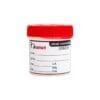
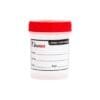
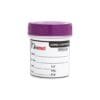
Urine Container – Sterile Urine Collection Container for Accurate Diagnostic Testing
Accurate diagnosis begins with a correctly collected sample — and for urine analysis, the container matters just as much as the test itself. A poorly designed or non-sterile container can lead to sample contamination, inaccurate readings, and repeat testing, which delays patient care.
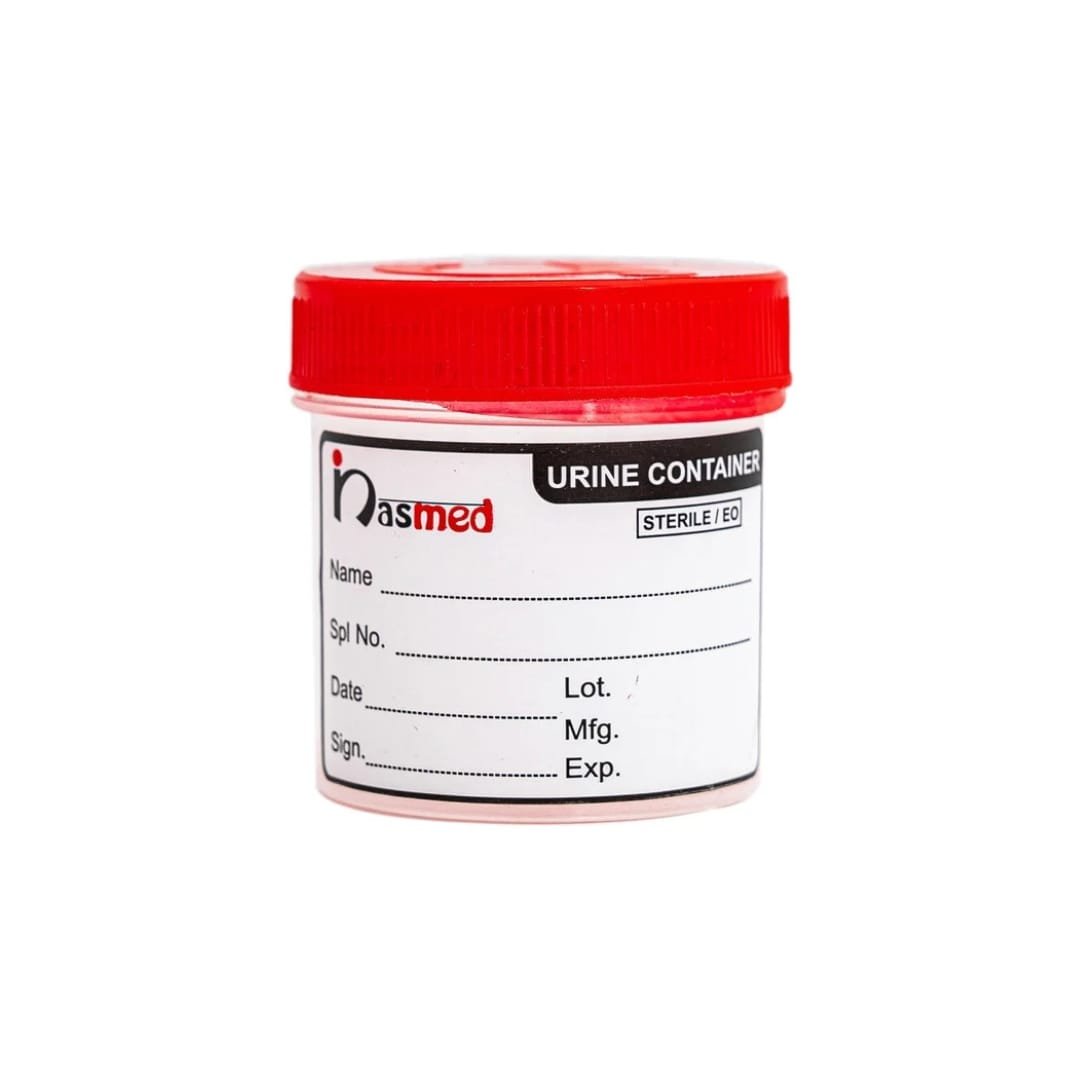
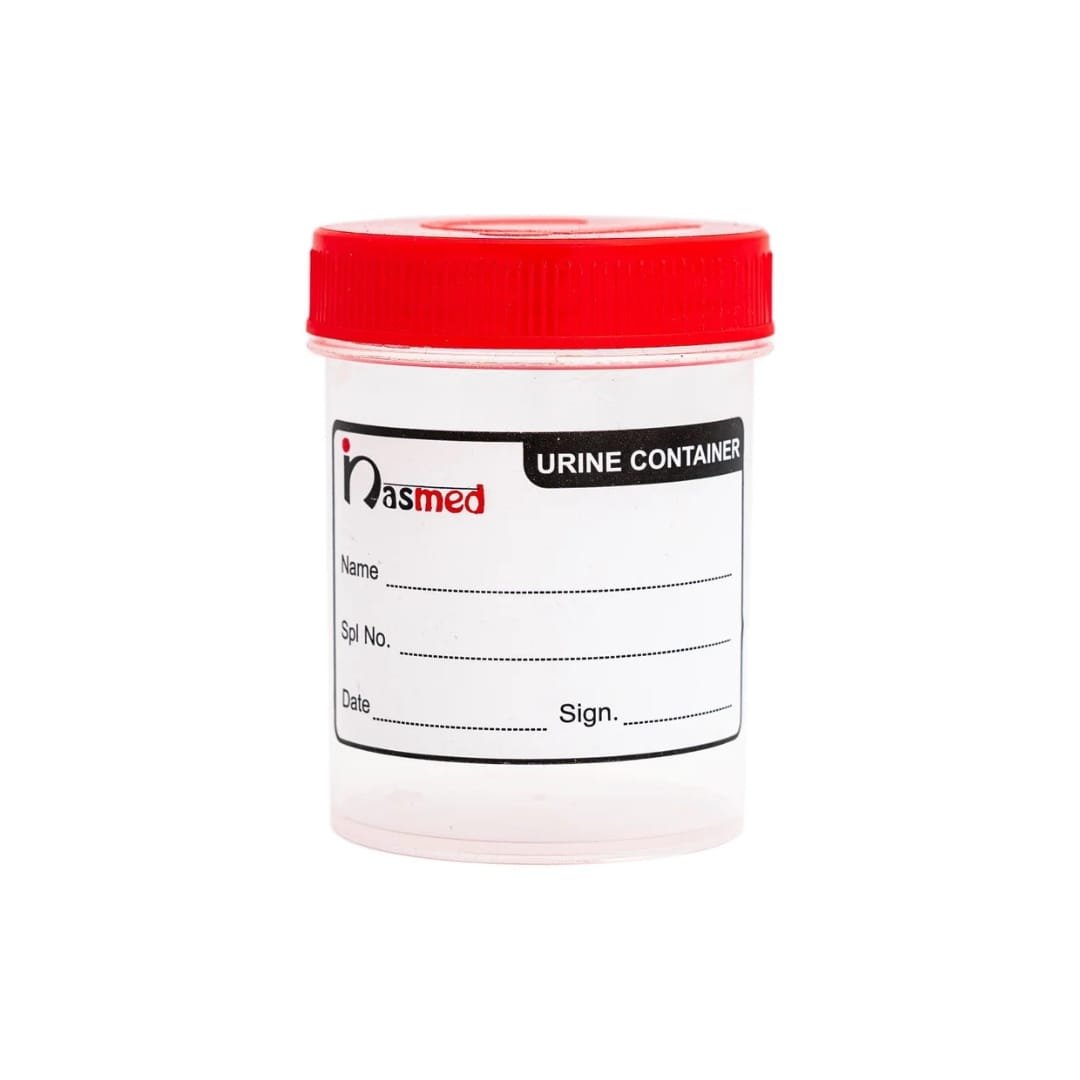
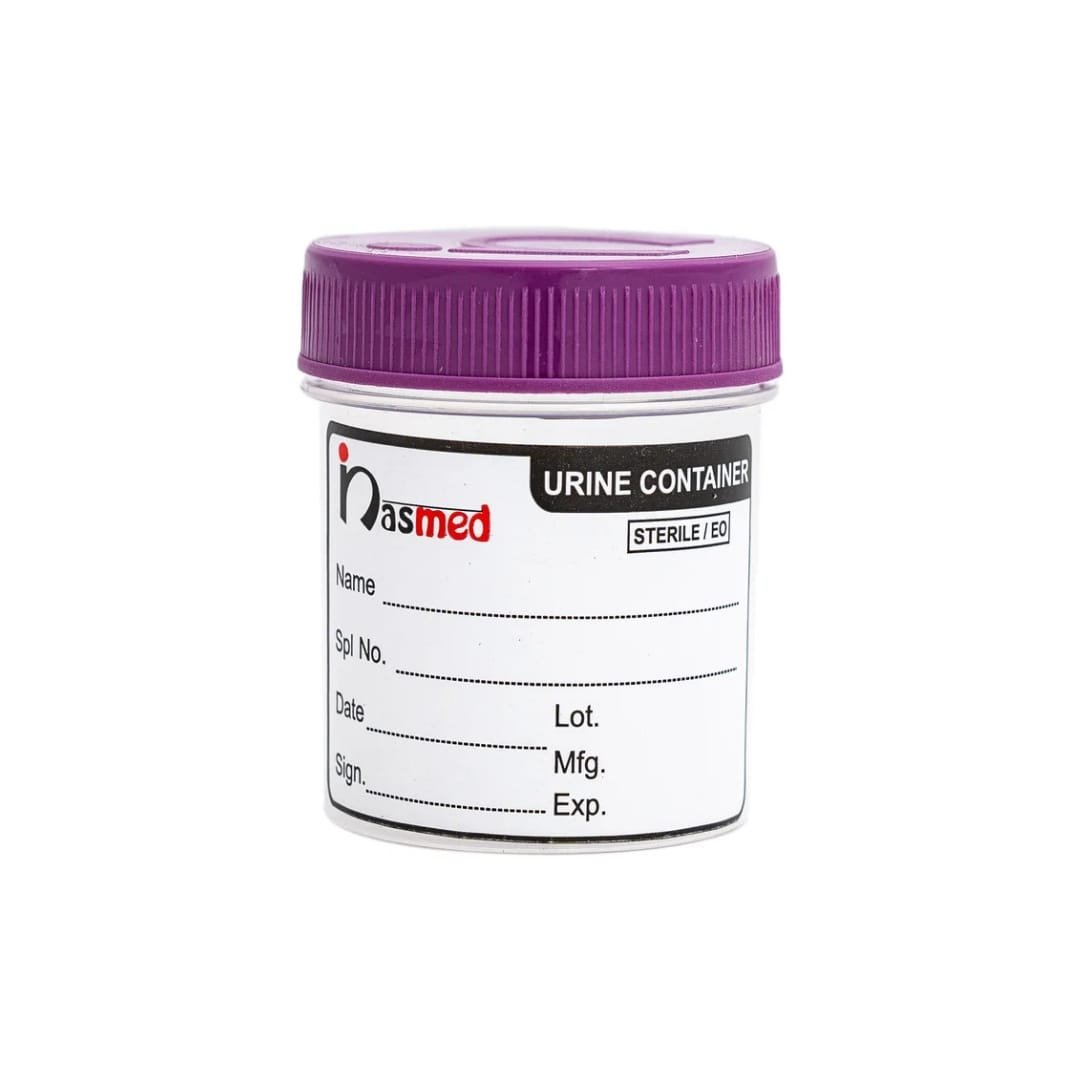
Nasmed Diagnostics Pvt. Ltd. manufactures medical-grade Urine Containers engineered specifically for hospitals, pathology labs, diagnostic centers, and home healthcare use. Every container is built with a leak-proof screw cap, clear volume graduations, and durable polypropylene construction — ensuring your lab gets a clean, uncontaminated sample every single time.
Whether you’re a lab procurement manager sourcing in bulk or a diagnostic center looking for a reliable specimen collection partner, this page covers everything you need to know: specifications, features, comparisons, and answers to common questions.
What Is a Urine Container?
A urine container is a sterile, single-use plastic vessel designed to collect and transport human urine specimens for laboratory testing — including routine urinalysis, culture and sensitivity tests, pregnancy tests, and drug screening. Unlike blood collection tubes, standard urine containers do not contain additives or anticoagulants; they are simply built for safe, leak-proof, contamination-free collection and transport.
Key Features of Nasmed Urine Containers
| Feature | Benefit |
|---|---|
| Available Sizes | 30ml and 50ml — suitable for both routine and pediatric-adjacent sampling needs |
| Cap Colors | Red, Blue & Violet — for easy visual identification and lab workflow sorting |
| Leak-Proof Screw Cap | Prevents spillage during transport, protecting staff and samples |
| Clear Graduations | Enables accurate volume measurement at the point of collection |
| Medical-Grade Polypropylene | Chemically resistant, durable, and compatible with standard lab testing procedures |
| Wide Labeling Area | Reduces sample mix-ups with clear space for patient ID |
| Non-Additive Construction | Pure specimen collection with no antiseptic or chemical interference |
Urine Container vs. Other Specimen Collection Products
Choosing the right collection device depends on the type of sample being tested. Here’s how urine containers compare with other common specimen collection products:
| Parameter | Urine Container | Blood Collection Tubes | Micro Pediatric Tubes |
|---|---|---|---|
| Sample Type | Urine | Venous blood | Small-volume blood (infants/children) |
| Additives | None | Vary (EDTA, heparin, clot activator, etc.) | Vary by tube type |
| Common Volume | 30ml / 50ml | 2ml–10ml | 0.5ml–2ml |
| Primary Use | Urinalysis, culture, pregnancy & drug tests | CBC, biochemistry, coagulation tests | Neonatal & pediatric blood testing |
| Closure Type | Screw cap | Rubber stopper (vacuum-sealed) | Rubber stopper / micro-cap |
| Explore Range | Urine Container Range | Blood Collection Tubes | Micro Pediatric Tubes |
How to Use a Urine Container Correctly?
Correct collection technique directly affects test accuracy. General best practice (as outlined in standard clinical laboratory protocols):
- Wash hands thoroughly before opening the container.
- Avoid touching the inside of the container or cap.
- Collect a mid-stream urine sample for the most accurate results.
- Close the cap tightly immediately after collection to prevent leaks and contamination.
- Label the container clearly with patient name/ID before submitting to the lab.
- Transport and refrigerate the sample promptly if not tested immediately.
For official biomedical waste handling and disposal standards applicable to used specimen containers in India, refer to the Central Drugs Standard Control Organisation (CDSCO) — the government body regulating medical devices under the Ministry of Health & Family Welfare: CDSCO – Medical Devices & Diagnostics
Applications
Nasmed’s Urine Containers are trusted across:
- Hospitals and multi-specialty clinics
- Diagnostic and pathology laboratories
- Home healthcare and sample-collection-at-home services
- Research and academic institutions
- Long-term care and elderly care facilities
Why Choose Nasmed Diagnostics?
- Quality Assurance: Every batch undergoes strict quality control checks before dispatch.
- Regulatory Compliance: Manufactured in line with applicable medical device standards and guidelines.
- Customer-First Support: A dedicated team to assist with bulk orders, customization, and technical queries.
- Reliable Supply: Consistent stock availability for hospitals and labs with recurring procurement needs.
Explore our complete diagnostic consumables range on the Our Products page.
Frequently Asked Questions (FAQs)
Q1. What sizes does the Nasmed Urine Container come in?
- Nasmed Urine Containers are available in 30ml and 50ml sizes, with Red, Blue, and Violet cap options.
Q2. Does the urine container contain any preservatives or additives?
- No. It is a plain plastic container with a leak-proof cap and contains no antiseptic or additive substances.
Q3. Is the Nasmed Urine Container sterile?
- Yes, the containers are sterilized to maintain a contaminant-free environment during sample collection.
Q4. Can this container be used for urine culture tests?
- Yes, it is suitable for routine urinalysis as well as urine culture and sensitivity testing, provided you transport the sample within the recommended time frame.
Q5. What material does the manufacturer use to make the container?
- We manufacture the containers using medical-grade polypropylene, which provides durability and chemical resistance.
Q6. How do I place a bulk order for hospitals or labs?
- You can contact our team directly to request a quote or place a bulk order.
Q7. Does Nasmed ensure its diagnostic products comply with Indian medical device regulations?
Order Your Urine Containers Today
Reliable sample collection starts with the right container. Contact Nasmed Diagnostics to place your order, request a bulk quote, or explore our full range of diagnostic consumables on the Our Products page.